
Exams create trust
In our high -tech world, we can no longer assess whether we are safe on an airplane or an elevator, for example, or are in danger. We are dependent on the fact that the technology we use works. However, we know that the systems are checked and trust in the reliability of the control system. If this trust is shaken, we feel insecure and vulnerable.
 If we are unable to assess the security of our environment, we have to leave the other who understand more of things. Who should that be? What should be checked when and how often? The state has provided clarity in numerous laws, regulations, rules and norms in these questions. Test plaques and test reports make the results of the necessary work equipment check transparent and thus ensure that we have confidence in the safety of the tested objects.
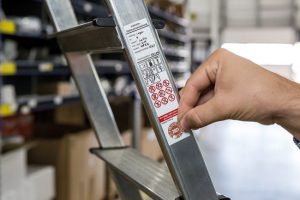 Almost everything in the world is subject to changes. The question is: how quickly these changes go on and what effects does this have on your security? The answers differ greatly depending on the nature of the object and the type of use. Iron, for example, rust. An iron chain on a crane must therefore be checked regularly. A ladder who is only used occasionally in the household, for example for the absorption and hanging of curtains, must be checked less frequently than a ladder that is used daily for shelf control in the hardware store. A ladder testing badge can be used for this.
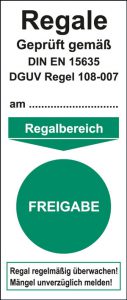 In most cases, the entrepreneur, for example in the context of his risk assessment, must determine what should be checked and how often. Only with particularly critical objects, for example, can be determined by regulations in which intervals this has to be done. In operation, it is best to make yourself a list of all objects to be tested and determine what you want to have from whom.
Only in a few cases the legislator still requires particularly approved surveillance and test points today, as is the case with vehicles with DEKRA or TÜV. As a user, you are obliged to determine who should check which facilities. You also have to convince yourself that the examiner you have chosen meets the requirements of the relevant regulations. The necessary specialist knowledge of these “qualified persons” is demonstrated by vocational training, professional experience and promptly professional activity.
When choosing examiners, special care is advisable: it is not uncommon for charlatans to be on the road that eagerly create test protocols and stick badges even though they have little idea. The client then bears the responsibility for the consequences of such senseless exams.
With the organization and commissioning of work equipment tests, your obligations as operators of technical institutions do not yet end. In most regulations and rules, testing looks are required before and during use. Every user must therefore convince themselves of the safe condition of the devices as part of their abilities – whether hammer or industrial robot. For this purpose, it must be instructed accordingly.
Are you responsible for the exam in your job? Register for our newsletter and receive practical tips!
»DGUV plaques” with an overview of the professional association regulations
»For free guidelines“ Test regulations ”